An appliance not draining water is one of the most common household frustrations, and the good news is that it’s usually fixable without calling a technician. Whether it’s your dishwasher leaving a puddle at the bottom, your washing machine refusing to spin out water, or your fridge’s drip pan overflowing, the root causes behind an appliance not draining water are often surprisingly similar.
This guide walks through the shared culprits behind an appliance not draining water across multiple machines and gives you clear, step-by-step fixes to try before scheduling a repair.
Why Drainage Problems Happen Across Different Appliances
Most home appliances that use water rely on the same basic system: a pump, a hose, and a filter or trap that catches debris. When any one of these parts gets blocked, worn out, or disconnected, water backs up instead of draining away, and you end up with an appliance not draining water as expected.
Understanding this shared design helps you troubleshoot faster, no matter which appliance is acting up. The fixes below apply broadly to an appliance not draining water, with notes for specific machines where needed.
Clogged Hoses Are the Number One Culprit
Drain hoses can collect lint, food particles, soap scum, and mineral buildup over time. A partially blocked hose slows drainage, while a fully clogged one stops it completely, which is one of the most frequent reasons behind an appliance not draining water.
Check the hose for kinks, too. Appliances pushed too close to a wall can accidentally bend the drain line, creating a blockage even if the hose itself is clean.
Worn or Jammed Pumps
The drain pump pushes water out of the appliance and into the hose. Small objects like bottle caps, buttons, or food scraps can get lodged in the pump, causing an appliance not draining water even when the hose is clear.
Over years of use, pumps can also wear out mechanically. If you hear a humming noise but no water movement, the pump motor may be running while the impeller inside is stuck or broken.
Dirty or Clogged Filters
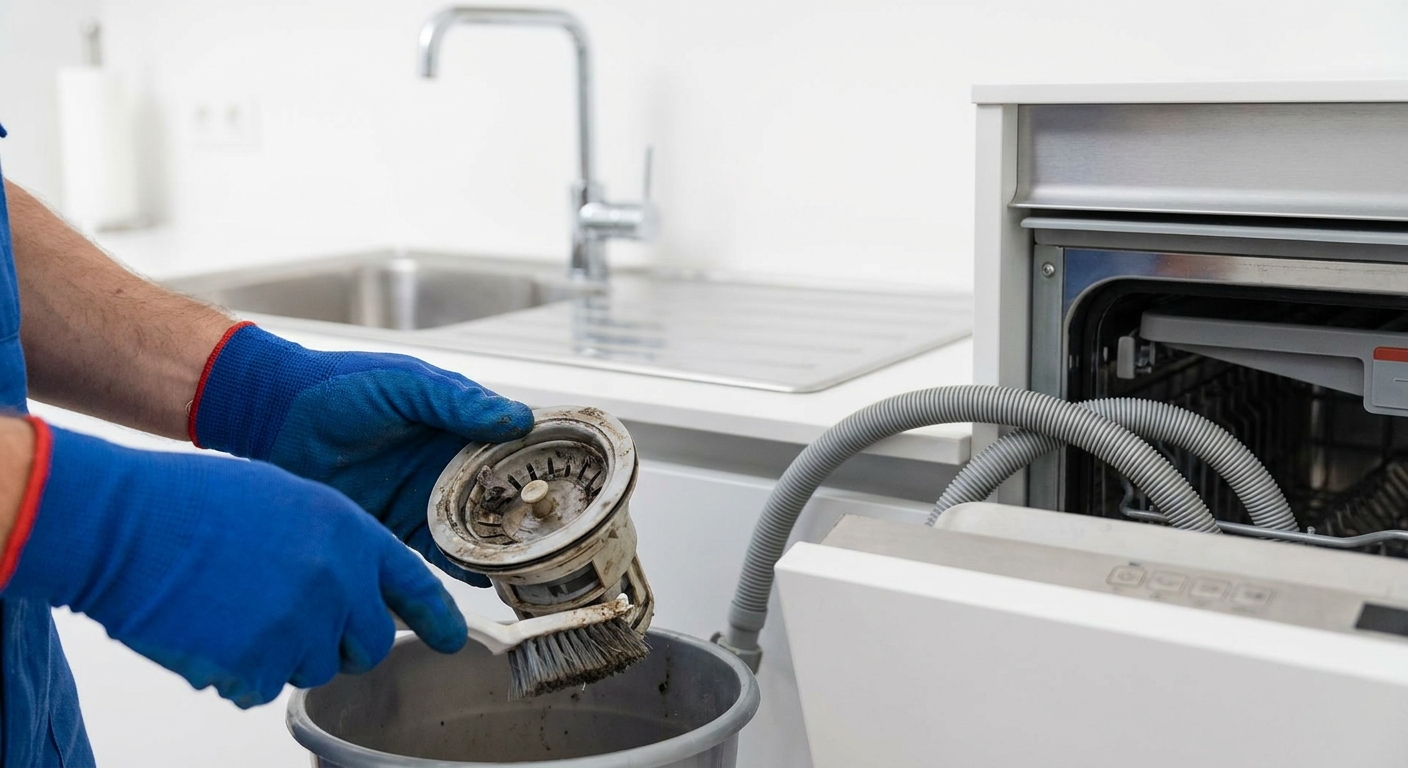
Dishwashers and washing machines both use filters to catch debris before it reaches the pump. If these filters aren’t cleaned regularly, they fill up and block water flow entirely, leaving you with an appliance not draining water properly.
This is one of the easiest fixes on this list. Most filters pop out for cleaning without any tools required.
Appliance Not Draining Water: Checks by Appliance Type
While the root causes overlap, each appliance has its own quirks. Here’s a quick breakdown to help you target your troubleshooting when you’re dealing with an appliance not draining water.
- Dishwasher: Remove and rinse the bottom filter, check the drain hose for kinks, and inspect the air gap (if your model has one) for blockages.
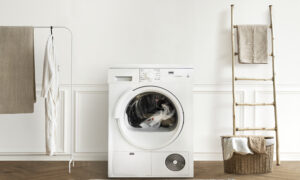
- Washing machine: Clean the pump filter (usually behind a small panel at the front base), check for clothing items stuck in the pump, and verify the drain hose isn’t kinked behind the unit.
- Refrigerator drip pan: Locate the defrost drain tube, usually at the back of the freezer compartment, and clear any ice or debris using warm water and a soft brush.
- Garbage disposal or sink-connected units: Check for food buildup in the disposal, since a clogged disposal can prevent a connected dishwasher from draining properly.
Step-by-Step Fix for a Clogged Drain System
Follow these steps in order. Most cases of an appliance not draining water are resolved within the first three steps.
- Unplug the appliance or switch off power at the breaker for safety.
- Locate and remove the filter, then rinse it thoroughly under running water.
- Inspect the drain hose for kinks, disconnect it, and flush it with warm water to clear debris.
- Check the pump area for trapped objects, using a flashlight to look inside if accessible.
- Reconnect everything, restore power, and run a short test cycle to confirm drainage.
If water still isn’t draining after these steps, the issue may involve a faulty drain valve, a broken pump motor, or a problem with the home’s plumbing connection. At that point, it’s reasonable to consult a professional about your appliance not draining water.
Preventing Future Drainage Issues
Prevention is far easier than repair. A few simple habits can keep your appliances draining smoothly for years and help you avoid dealing with an appliance not draining water in the first place.
Scrape food scraps off dishes before loading the dishwasher, and empty pockets before tossing clothes in the wash. Clean filters monthly, and avoid overloading any appliance, since overcrowding restricts proper water flow and pump function.
It’s also worth considering the long-term value of your appliances. If repairs start piling up, our guide on whether extended warranties on appliances are worth it can help you decide if coverage makes financial sense. And if a drainage problem turns out to be the final straw for an aging machine, check out the best time to buy appliances for the biggest discounts before you shop for a replacement.
When It Might Be Time for a New Appliance
Not every drainage issue is worth fixing, especially on older units. If your dishwasher is more than 10 years old and this isn’t the first repair, replacement may be more cost-effective than chasing down another appliance not draining water in the future.
If you’re weighing dishwasher options, our comparison of built-in vs freestanding dishwashers breaks down what fits different kitchen layouts and budgets. And while you’re evaluating your kitchen setup, it’s also smart to check for appliances quietly wasting electricity. Our guide on spotting hidden power drain from appliance energy vampires can help you cut unnecessary costs at the same time.
Frequently Asked Questions
Why is my appliance not draining water even after cleaning the filter?
If cleaning the filter doesn’t solve the issue, check the drain hose for kinks or blockages, and inspect the pump for trapped debris. A faulty drain valve or failing pump motor could also leave an appliance not draining water, which may require professional repair.
Can a clogged garbage disposal cause a dishwasher not to drain?
Yes. Many dishwashers drain through the garbage disposal’s connection. If the disposal is clogged or hasn’t been run recently, water can back up, leaving you with an appliance not draining water instead of flowing out as expected.
How often should I clean my appliance’s drain filter?
For dishwashers and washing machines used regularly, cleaning the filter once a month helps prevent the buildup that commonly causes an appliance not draining water. Households that run these appliances daily may benefit from checking every two weeks.
Drainage problems are frustrating, but they’re rarely mysterious. By checking the hose, pump, and filter first, most homeowners can solve an appliance not draining water without any special tools or technical skills. If the problem persists after these basic fixes, it may point to a part needing replacement, which is a great time to weigh repair costs against the value of upgrading.