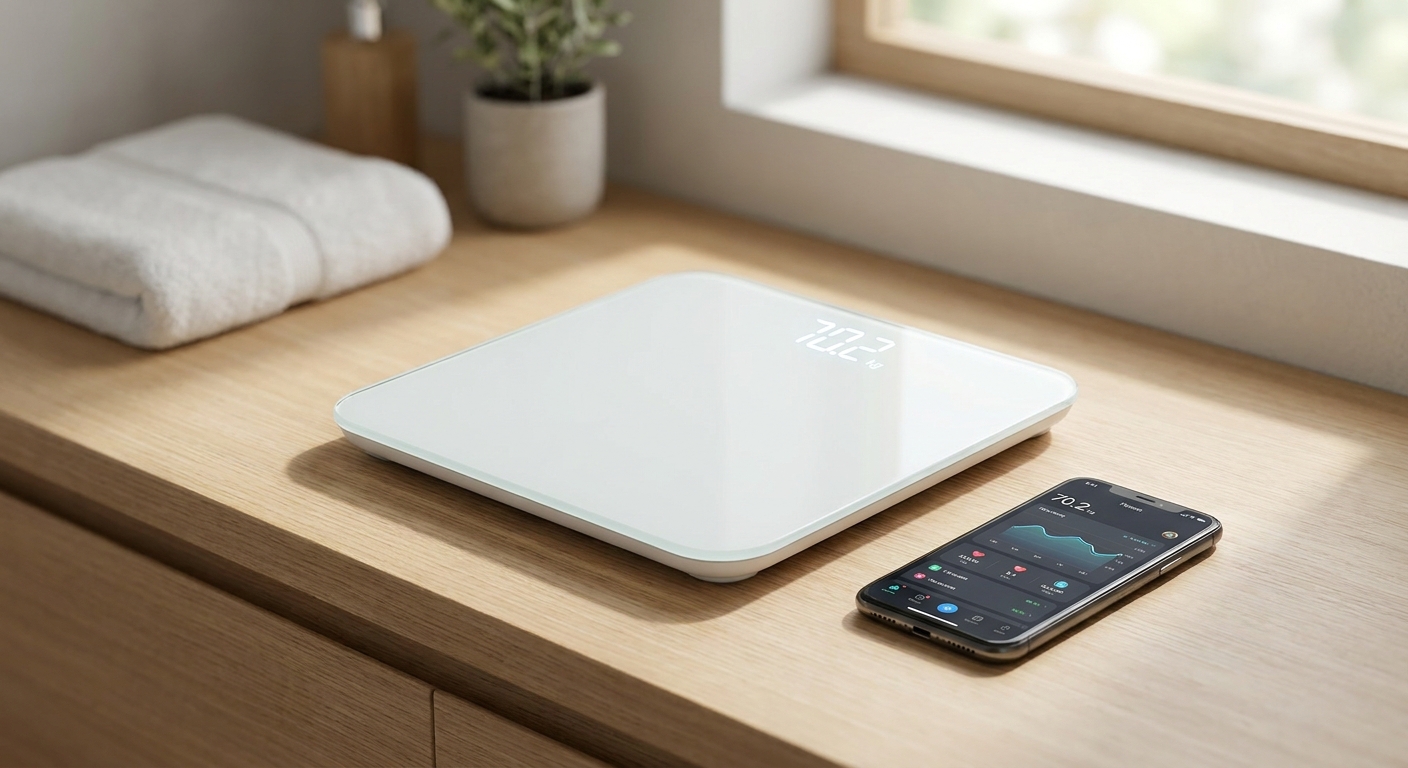
Smart scale data privacy is a growing concern because these devices quietly collect far more than your weight. Many connected scales, fitness bands, and sleep trackers log body fat percentage, heart rate, pregnancy status, and even mood patterns, then share that data with third parties you’ve never heard of.
If you step on a smart scale every morning, you’re generating a detailed health profile. That profile often travels well beyond your phone. This article explains what gets collected, who buys it, and how to lock down your account so smart scale data privacy stays in your hands.
How Smart Scales and Health Gadgets Collect Your Data
Smart scales look simple, but they’re small computers with Wi-Fi or Bluetooth radios. Each time you weigh yourself, the device sends data to a companion app. That app typically syncs to a cloud server owned by the manufacturer, which is where smart scale data privacy questions usually begin.
Beyond weight, many scales estimate:
- Body fat, muscle mass, and bone density percentages
- Heart rate and resting pulse
- Pregnancy or menstrual cycle status, in some models
- Location data, if the app requests GPS access
- Device usage patterns, like time of day you weigh in
Fitness bands and sleep trackers add even more detail. They log sleep stages, stress levels, and daily activity. Combined, this data paints an intimate picture of your physical and even emotional health.
Who Actually Sees Your Biometric Data
Once your data leaves the device, several parties may gain access. Understanding this chain is central to smart scale data privacy.
First, the manufacturer stores your data on its servers. Many companies state this plainly in lengthy privacy policies that few people read closely. Second, third-party analytics and advertising partners often receive anonymized or “pseudonymized” data for marketing purposes.
Health and fitness data is also valuable to insurance companies and data brokers. While reputable brands claim not to sell raw identifiable data, aggregated health trends are frequently licensed to researchers, advertisers, or wellness partners. This is similar to how other connected devices operate—our guide on stopping hidden smart TV tracking covers a comparable data-sharing pattern in your living room.
App permissions can also open the door wider than necessary. A scale app requesting contacts, microphone, or camera access has little reason to need those permissions for weighing you.
Auditing App Permissions to Protect Smart Scale Data Privacy
Checking permissions takes just a few minutes and significantly improves your privacy posture. Here’s a simple process to follow:
- Open your phone’s settings and find the app permissions menu.
- Locate your smart scale or fitness app and review every permission it holds.
- Revoke access to location, contacts, microphone, or camera unless the feature truly requires it.
- Check notification settings to limit how much data is surfaced to lock screens.
- Review the app’s data-sharing settings inside its own menu, not just your phone’s settings.
Most health apps bury data-sharing toggles under account or privacy tabs. Look for options labeled “research sharing,” “personalized ads,” or “third-party partners.” Turn these off if you prefer your data stays private.
Reading the Privacy Policy Without Losing Your Mind
Nobody enjoys reading privacy policies, but a quick search for key terms helps. Use your browser’s find function to search for words like “sell,” “share,” “third party,” and “advertising.” This shortcut reveals the most relevant sections without reading every paragraph and helps you judge a brand’s smart scale data privacy practices quickly.
Practical Steps to Opt Out of Data Sharing
You don’t need to abandon your smart scale to protect your health data. A few deliberate steps go a long way toward better smart scale data privacy.
- Create a separate email account just for health and fitness apps, reducing cross-linking with your main identity.
- Decline optional data collection prompts during setup instead of accepting defaults.
- Use the manufacturer’s web portal, if available, to request data deletion or export.
- Disable cloud sync if the device offers a local-only mode.
- Regularly delete historical data you no longer need stored online.
Many regions now offer legal rights to request what data a company holds about you and demand deletion. Check your app’s privacy settings for a formal data request option, often required under consumer privacy laws.
Why Smart Scale Data Privacy Matters Beyond Your Bathroom Scale
Smart scale data privacy connects to a much larger pattern across connected devices. The same companies building health gadgets often build other smart products that collect sensitive information. For a broader look at how connected devices track behavior, see our guide on stopping one smart home breach from spreading across your entire network.
Voice-activated features in some newer scales also raise concerns similar to those covered in our article on locking down voice assistant eavesdropping. If your scale or app integrates with a smart speaker, the same precautions apply.
Even seemingly unrelated devices, like your vehicle, now collect health-adjacent data such as driver fatigue signals. Our piece on what your vehicle tracks in 2026 shows how widespread this trend has become.
Choosing Brands That Respect Smart Scale Data Privacy
Not all manufacturers treat your data the same way. Before buying a smart scale, check whether the company publishes a clear, specific privacy policy rather than vague legal boilerplate. Favor brands that offer local storage options and explicit opt-out controls over those that require constant cloud syncing.
Frequently Asked Questions
Do smart scales sell my health data to third parties?
Some companies share aggregated or anonymized data with advertising and analytics partners. Few sell raw identifiable data directly, but data-sharing practices vary widely, so always check the specific app’s privacy policy for details on smart scale data privacy.
Can I use a smart scale without connecting it to an app?
Many scales display basic weight readings without an app, though advanced metrics like body fat typically require the companion app and an account to function.
How do I delete my smart scale data permanently?
Most manufacturers offer a data deletion request through the app’s account settings or a web portal. Look for “delete account” or “request my data” options, and confirm deletion in writing if possible.
Smart scale data privacy deserves the same attention you’d give any device that knows your passwords or location. A few minutes auditing permissions and sharing settings can keep your most personal health details where they belong—with you.