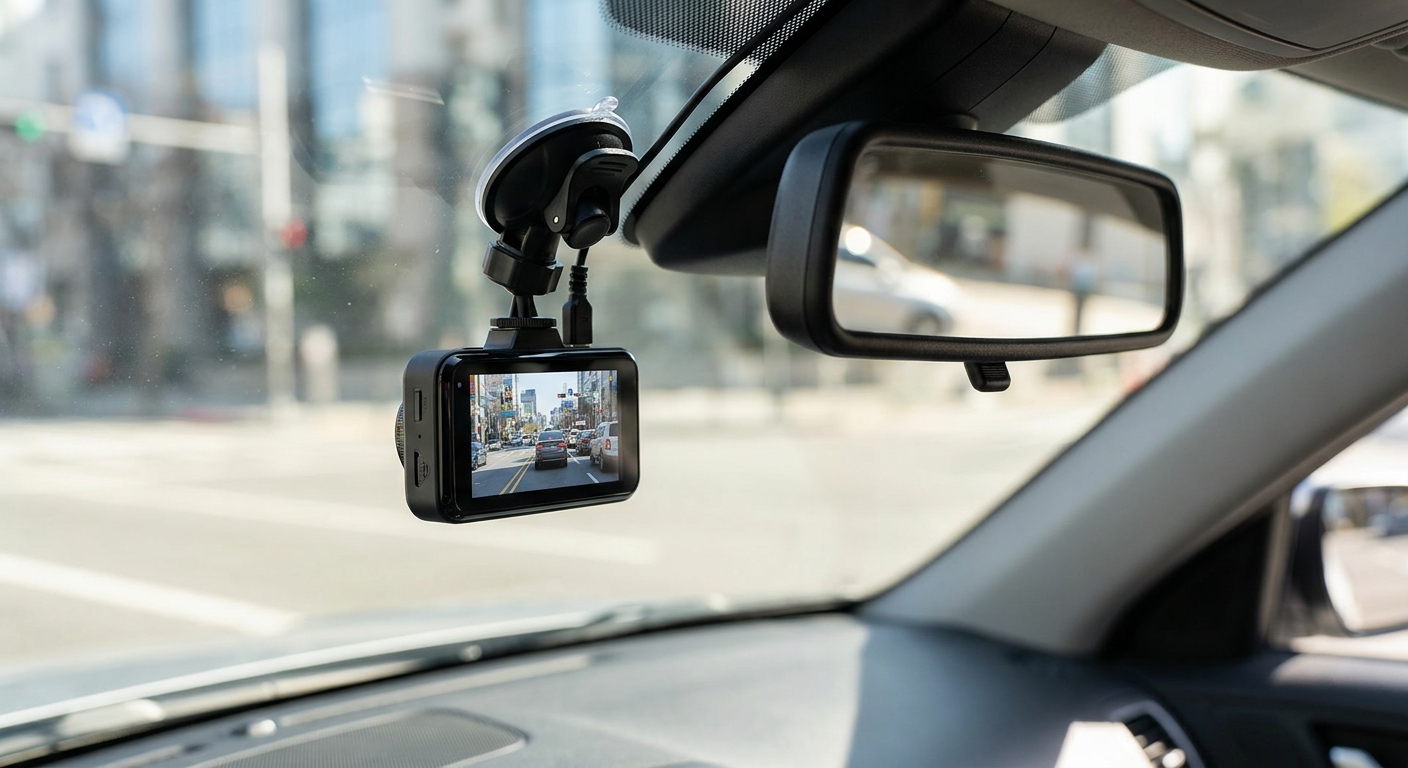
The best dash cams 2026 has on offer aren’t necessarily the ones with the biggest numbers printed on the box. Resolution figures and marketing buzzwords rarely tell you how a camera performs on a rainy night or in a crowded parking lot. This guide to the best dash cams 2026 buyers are shopping for strips away the jargon and focuses on what actually matters when you’re relying on footage to prove what happened.
Dash cams have become a near-essential accessory. Insurance disputes, hit-and-runs, and parking lot dings all get easier to resolve when you have clear video evidence. But not every camera delivers when it counts, and that’s where most buyers get misled when hunting for the best dash cams 2026 has to offer.
Why Spec Sheets Don’t Tell the Whole Story
Manufacturers love to advertise 4K resolution and wide-angle lenses. These numbers look impressive, but they don’t guarantee usable footage. A 4K camera with poor low-light processing can still produce a blurry, unreadable license plate at night, even if it’s marketed among the best dash cams 2026 retailers are pushing.
What actually matters is how the camera’s sensor and software handle real-world conditions. Glare from oncoming headlights, rain on the windshield, and fast-moving traffic all stress-test a dash cam far more than a daytime test drive does.
Instead of chasing spec sheets, look for cameras with real owner reviews showing nighttime and rainy-day clips. Footage samples tell you far more about which models deserve a spot among the best dash cams 2026 has to offer than a megapixel count ever will.
Real-World Footage Quality Matters Most
When comparing the best dash cams 2026 buyers are considering, prioritize footage clarity over raw resolution. A well-tuned 1440p camera often outperforms a poorly processed 4K one, especially in low light.
Here’s what to check before buying:
- License plate readability: Can you pause the footage and clearly read plates on passing cars, day and night?
- Dynamic range: Does the camera handle bright sky and shaded road without blowing out detail?
- Frame rate stability: Smooth, consistent frame rates matter more for capturing fast incidents than a high resolution that stutters.
- Lens distortion: Extremely wide lenses can distort plates and faces near the edges of the frame.
If possible, watch unedited sample footage from the exact model you’re considering rather than relying on the manufacturer’s highlight reel. This single step does more to separate the best dash cams 2026 has available from the rest of the pack than any spec comparison chart.
Parking Mode Reliability Is Non-Negotiable
A huge number of incidents happen while your car is parked and unattended. A dash cam that can’t reliably monitor your vehicle overnight isn’t doing its full job, no matter how it’s marketed.
Parking mode typically works in one of two ways: motion detection or continuous low-frame-rate recording. Motion detection saves battery and storage but can miss slow or subtle impacts. Continuous recording catches more but drains power faster and needs a stable electrical connection.
Before buying, confirm these details:
- Does the camera require a hardwire kit, or can it run on battery alone?
- How long does parking mode last on a typical charge or with a capacitor?
- Does the manufacturer specify a safe voltage cutoff to protect your car battery?
A dash cam with weak parking mode reliability is a liability, not a safeguard, especially if you park on the street overnight. This is one of the clearest dividing lines between budget units and the best dash cams 2026 shoppers should actually trust.
Storage Needs: Plan Before You Buy
Storage is the most overlooked part of dash cam shopping. Higher resolution footage eats through memory cards fast, and loop recording only helps if the card can keep up.
Consider these storage factors:
- Card speed class: Higher resolution footage requires faster write speeds, or you’ll get dropped frames and corrupted files.
- Card capacity limits: Many cameras cap out at a maximum card size, so check compatibility before purchasing a huge card.
- Card lifespan: Constant overwriting wears out memory cards faster than normal use. Budget for periodic replacement.
- Cloud or app backup: Some models offer automatic upload of key clips, which adds a safety net if a card fails.
Buying a slightly larger, higher-endurance card up front usually costs less than dealing with corrupted footage after an accident.
Front-Only vs. Dual-Channel Systems
Single-lens, front-facing cameras cover the most common incidents: collisions, near-misses, and road hazards. They’re simpler to install and usually cheaper, and several of the best dash cams 2026 lineups still lead with a strong single-lens option.
Dual-channel systems add a rear or cabin-facing lens. This is useful for rideshare drivers, fleet vehicles, or anyone concerned about rear-end collisions or cabin incidents. The tradeoff is more complex installation and higher storage demands, since you’re recording two video streams at once.
Choose based on your actual driving situation rather than defaulting to the most expensive bundle. A commuter with a quiet daily route has different needs than a delivery driver in a busy city.
Installation and App Experience
A great sensor is wasted if the companion app is clunky or the mounting hardware is fragile. Before buying, check whether the app lets you quickly export clips, view live footage, and adjust settings without excessive lag.
Physical mount quality matters too. A cam that vibrates loose on rough roads produces shaky, less useful footage over time. Look for reviews that specifically mention long-term mount durability, not just out-of-box impressions, since this is where many otherwise-promising contenders for the best dash cams 2026 has to offer fall short.
If you also rely on other connected devices in your car, like a smartwatch for notifications, it’s worth knowing how to troubleshoot common issues. For related troubleshooting, see our guide on fixing a smartwatch battery that’s dying fast, since similar power-management lessons apply to dash cam battery packs.
How Dash Cams Fit Into Your Broader Tech Setup
Dash cams are just one piece of the connected-car and mobile tech ecosystem. If you’re also upgrading your home office or travel gear this year, it helps to make informed choices across the board.
For long drives or flights, good audio gear makes a real difference; check out our picks for the best noise-cancelling headphones for flights in 2026. And if you’re video calling from the road or home office, a reliable webcam matters just as much as a reliable dash cam. Our guide on fixing a webcam that keeps freezing on calls covers similar reliability principles.
Even seemingly unrelated gear choices, like picking between a mechanical or membrane keyboard, follow the same buying logic: prioritize real-world performance over marketing claims, whether you’re shopping for a keyboard or the best dash cams 2026 has in stock.
Frequently Asked Questions
What should I prioritize when choosing among the best dash cams 2026 has available?
Prioritize real-world footage clarity, dependable parking mode, and adequate storage over raw resolution numbers. These three factors determine whether your footage is actually usable when you need it.
Do I need a hardwire kit for parking mode to work well?
Not always, but hardwiring generally provides more reliable, longer-lasting parking surveillance than battery-only setups. If overnight street parking is a concern, a hardwire kit with voltage protection is worth the investment.
How big of a memory card do I actually need?
It depends on resolution and loop length, but most users are well served by a high-endurance card sized for one to two days of continuous footage before it loops. Check your camera’s maximum supported capacity before buying.
Are the best dash cams 2026 models mostly front-only or dual-channel?
Both styles remain common. Front-only cameras suit most everyday drivers, while dual-channel systems appeal to rideshare and fleet drivers who need rear or cabin coverage as well.