Is refurbished electronics worth it? In most cases, yes — but only if you know how to spot proper grading, a real warranty, and the right device category. Refurbished gadgets can save you 20-50% off retail, yet not every deal is a good one. This guide breaks down whether refurbished electronics are worth it, the red flags to avoid, and the safest ways to shop refurbished in 2026. If you keep asking yourself “is refurbished electronics worth it,” the short answer depends on the seller, the grading, and the warranty behind the device.
Why Refurbished Electronics Confuse Shoppers
The word “refurbished” gets used loosely. Some sellers mean a factory-certified device tested by engineers. Others mean a phone wiped clean with no real inspection.
This inconsistency is exactly why so many buyers ask whether refurbished electronics are worth it in the first place. Without a shared standard, you’re often guessing at quality, and that uncertainty is the core reason people hesitate before buying refurbished electronics online. Is refurbished electronics worth it in this scenario? Only if you dig into the details yourself.
The good news: once you understand grading systems and warranty terms, the guesswork disappears, and deciding if refurbished electronics are worth it becomes much easier. Let’s start with grading.
Understanding Refurbished Grading Standards
Most refurbishers use a letter-grade system to describe cosmetic and functional condition. Grades vary slightly by seller, but the pattern is consistent, and understanding this scale is essential to judging whether refurbished electronics are worth it for your budget.
- Grade A / “Like New”: Minimal to no visible wear, fully tested, all functions verified.
- Grade B / “Good”: Light scratches or scuffs, but no dents or screen damage. Fully functional.
- Grade C / “Fair”: Noticeable cosmetic wear, possibly minor performance quirks. Still usable, but budget-tier.
- Grade D or “Refurbished-As-Is”: Sold with limited or no testing. Avoid unless the price is very low and you accept the risk.
Always ask the seller which grading scale they use. A vague listing with no grade at all is a warning sign, not a bargain, and it’s usually a sign that refurbished electronics from that seller are not worth it. When grading is transparent, answering “is refurbished electronics worth it” for that specific listing gets much easier.
Warranty Red Flags to Watch For
A warranty is the single best indicator of whether a refurbished device is worth your money. No warranty usually means no accountability, which is often the deciding factor in whether refurbished electronics are worth it at all.
Here are the red flags that suggest you should walk away:
- No written return or warranty policy listed on the product page.
- Warranty period under 30 days for a laptop, phone, or camera.
- Seller cannot confirm battery health or cycle count for phones and laptops.
- Price is dramatically lower than every competitor for the same model and grade.
- Photos are generic stock images instead of the actual unit.
Reputable refurbishers, including manufacturer-certified programs, typically offer 90 days to one year of coverage. That window gives you time to catch early failures and confirms that this particular refurbished electronics purchase is worth it.
Which Devices Are Safest to Buy Refurbished
Not all electronics age the same way. Some categories are low-risk refurbished purchases; others carry more uncertainty. Knowing the difference is key to deciding whether refurbished electronics are worth it for each specific device.
Smartphones: Generally Safe
Phones are the most mature refurbished market, which is one reason many buyers conclude refurbished electronics are worth it in this category specifically. Manufacturer certified-refurbished programs test battery health, cameras, and connectivity thoroughly.
Look for listed battery capacity, since aging batteries are the most common complaint. If you plan to charge fast, check our USB-C charger wattage guide to pick a charger that matches your refurbished phone’s charging spec.
Laptops: Safe With Caveats
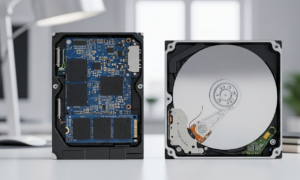
Refurbished laptops from certified sellers are usually reliable, especially business-grade models built for durability. Check the storage type before buying, since an older HDD-based laptop will feel noticeably slower than an SSD model — our SSD vs HDD comparison explains the difference.
Battery wear is the biggest concern with used laptops. If your refurbished laptop arrives with weak battery life, this guide on a laptop battery draining fast walks through fixes before you assume the unit is defective.
Cameras: Proceed With Caution
Refurbished cameras can be excellent value, but shutter count and sensor condition matter more than cosmetic grade. Ask for shutter-actuation data when buying a DSLR or mirrorless body, since this data helps confirm whether that specific refurbished camera is worth it.
Lenses are often safer to buy refurbished than camera bodies, since optical elements degrade slowly if stored properly.
Networking Gear and Home Theater Equipment: Mixed Results
Refurbished routers, mesh systems, and AV receivers can work well if firmware updates are still supported. Before buying refurbished networking gear, compare your options in our mesh WiFi vs extender guide to confirm you’re choosing the right category for your home.
For home theater components like receivers and speakers, refurbished units can be a smart way to save, provided you follow proper setup steps. Our essential home theater setup guide and ultimate home theater setup guide both cover compatibility checks worth doing before you buy used.
Devices You Should Generally Avoid Buying Refurbished
Some products carry higher risk when purchased refurbished, mainly due to safety or sealed-component concerns. For these categories, refurbished electronics are rarely worth it compared to buying new.
- Batteries and power banks sold standalone: Degradation and safety risks are hard to verify.
- Smoke detectors or safety electronics: These should always be new for reliability.
- Heavily sealed gaming consoles with no warranty: Internal wear is difficult to inspect before failure.
When in doubt, prioritize categories with transparent testing and clear grading over unclear “as-is” listings. For these riskier categories, the honest answer to “is refurbished electronics worth it” is usually no.
How to Buy Refurbished Electronics With Confidence
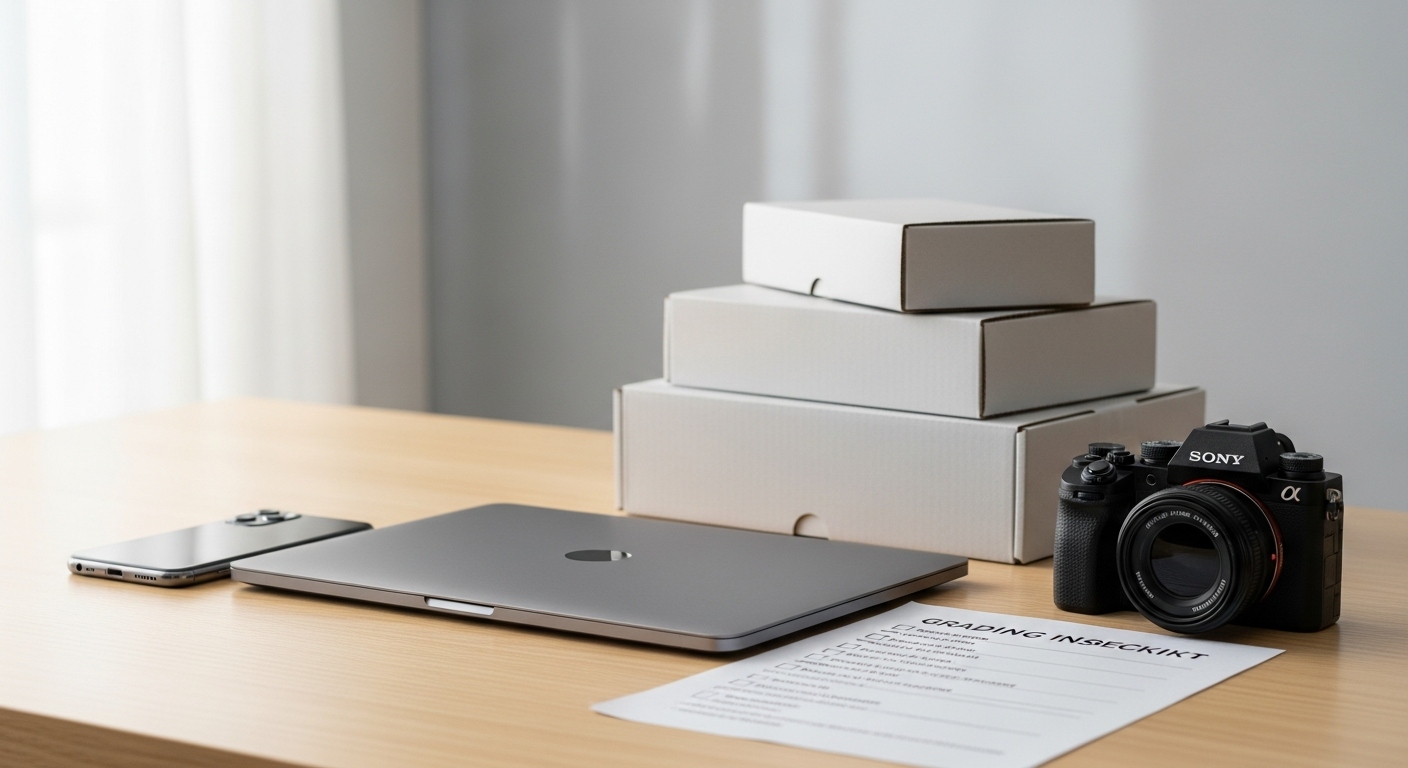
Follow this simple checklist before you check out, and you’ll have a clear, practical answer to whether refurbished electronics are worth it for your specific purchase:
- Confirm the grading scale and read the exact grade description.
- Verify warranty length and what it covers.
- Check return policy in case the item doesn’t match the listing.
- Compare price against at least two other certified refurbished sellers.
- Read recent buyer reviews for the specific model, not just the seller’s overall rating.
This process takes a few extra minutes but prevents most refurbished buying mistakes and helps you settle the is refurbished electronics worth it question with real evidence instead of guesswork.
Conclusion
So, is refurbished electronics worth it? For phones, laptops, and camera lenses bought from certified sellers with real warranties, the answer is usually yes. For unclear grading, missing warranties, or safety-critical devices, it’s safer to buy new. Match the category to the right seller, and refurbished electronics become a smart, budget-friendly choice rather than a gamble. Whenever you’re unsure, revisit this is refurbished electronics worth it checklist before you commit to a purchase.
Frequently Asked Questions
Is refurbished electronics worth it compared to buying new?
Yes, in many cases. Certified refurbished phones, laptops, and camera lenses often perform close to new at a lower price, as long as the warranty and grading are clear. This is the core question to ask before deciding whether refurbished electronics are worth it for your needs.
How long do refurbished electronics typically last?
A well-graded refurbished device with a solid warranty can last nearly as long as a new one. Battery-powered devices like phones and laptops usually show wear first, which is worth factoring into any is refurbished electronics worth it decision.
What’s the biggest risk when buying refurbished?
The biggest risk is buying from a seller with vague grading and no warranty. Always confirm testing standards and return policy before purchasing, since that’s what ultimately determines if refurbished electronics are worth it in any given deal.