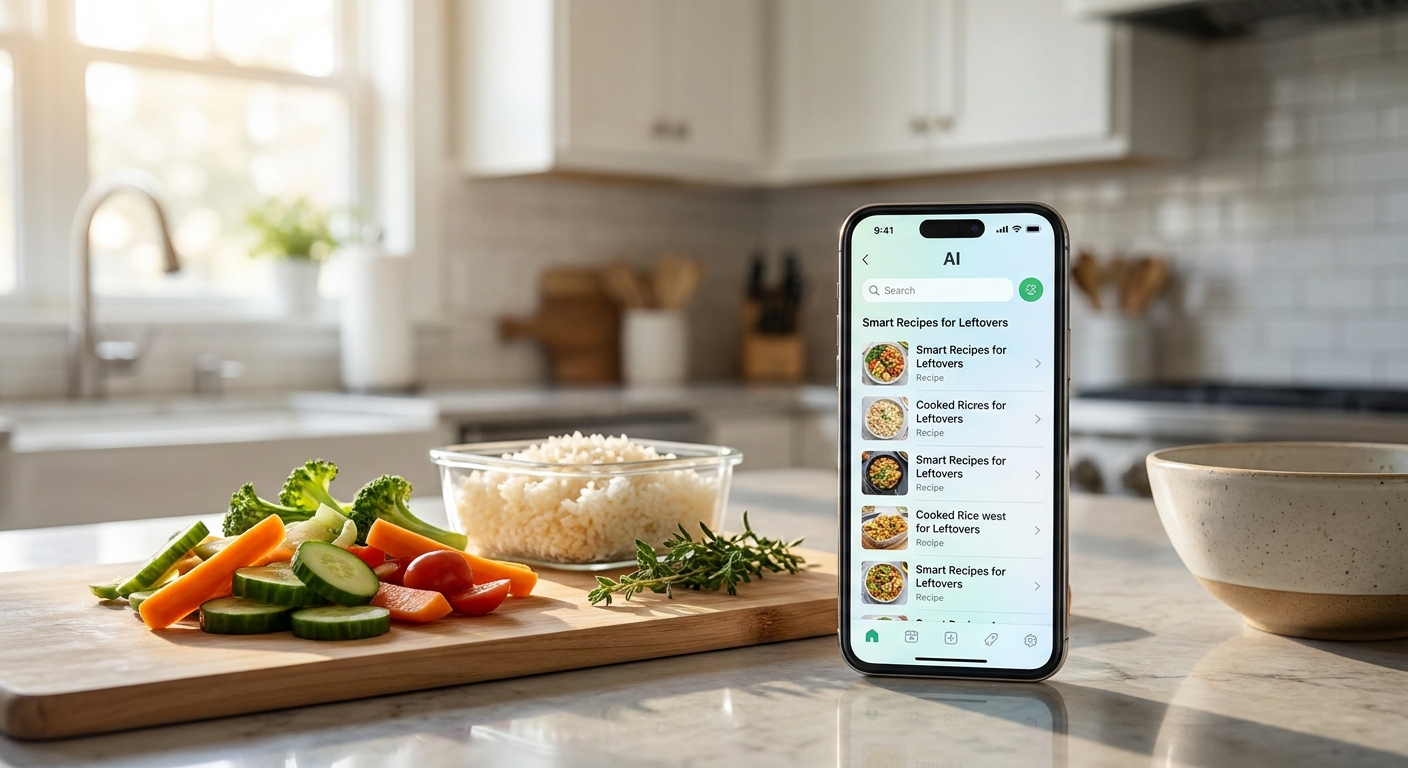
The best AI recipe generators in 2026 do more than suggest dishes — they turn random leftover ingredients and strict dietary restrictions into recipes you can actually cook tonight. We tested several popular tools against real pantry scenarios to see which ones delivered accurate, edible results instead of just novelty text.
If you’ve ever stared at a fridge full of random vegetables wondering what to make, you already know the appeal. But not every AI tool understands cooking the way a human chef does. Some generate recipes that look great on screen but fall apart in the kitchen.
This guide breaks down what actually matters: ingredient substitution logic, allergy safety, flavor balance, and whether the instructions make sense when you follow them step by step.
What Makes an AI Recipe Generator Actually Good?
A good AI recipe tool should solve a real problem, not just impress with clever wording. Cooking is practical. Bad advice wastes food and time.
We judged every tool on four criteria:
- Ingredient accuracy: Does it use what you actually have, without inventing items you don’t own?
- Dietary compliance: Does it respect allergies, vegan rules, or low-carb limits consistently?
- Cooking logic: Are steps in the right order, with realistic times and temperatures?
- Taste outcome: Did the finished dish taste balanced, not just technically “correct”?
Tools that scored well on all four earned a spot in our top picks below.
Best AI Recipe Generators for Leftover Ingredients
This is where most people actually use these tools. You open the fridge, type in what’s left, and hope for something edible.
In our testing, the strongest performers handled odd combinations — like wilting spinach, half an onion, and leftover rice — without suggesting ingredients we didn’t have. Weaker tools often padded recipes with pantry staples we had to buy, defeating the purpose.
The best AI recipe generators in this category also offered smart swaps. If a recipe called for cream and you only had yogurt, a good tool adjusted the method, not just the ingredient list.
Why Leftover-Based Recipes Are Harder Than They Look
Generating a recipe from scratch is easy for AI. Generating one that respects a short, random ingredient list is much harder.
Many models default to generic “safe” recipes, ignoring your actual inventory. The better tools weighted your input ingredients more heavily, producing dishes that genuinely used what you had on hand.
Best AI Recipe Generators for Dietary Restrictions
Allergies and dietary needs are non-negotiable, so accuracy here matters more than creativity.
We tested gluten-free, dairy-free, and low-sodium requests across each tool. The top performers consistently flagged hidden allergens, such as soy sauce containing gluten or certain broths containing dairy derivatives.
Lower-scoring tools occasionally suggested substitutions that technically broke the restriction, which is a serious problem for anyone with a real allergy rather than a preference.
If dietary safety is your top priority, look for generators that explain their substitution reasoning instead of just swapping one word for another. Transparency builds trust, especially when health is on the line.
Taste Testing: Does the Food Actually Taste Good?
Accuracy is only half the equation. A recipe can be technically correct and still taste bland or unbalanced.
We cooked several AI-generated meals exactly as instructed, without adjusting seasoning ourselves. Some tools nailed flavor balance on the first try, especially for simple dishes like stir-fries and soups.
Others struggled with seasoning proportions, often under-salting or over-relying on a single spice. This is where human culinary expertise still edges out automation, though the gap is narrowing quickly.
Our advice: treat AI-generated recipes as a strong starting draft, then taste and adjust as you cook, just as you would with any recipe from a cookbook.
How These Tools Compare to Other AI Productivity Apps
AI recipe generators are part of a broader wave of task-specific AI tools reshaping daily routines. The same reasoning that powers accurate cooking suggestions also drives tools reviewed in our guide to the best AI fitness coaching apps, where personalization and accuracy matter just as much.
If you’re building a more efficient home or work routine, it’s worth pairing a recipe generator with other smart tools. Our breakdown of the best AI scheduling assistants covers how automation can simplify meal planning around a busy calendar.
Students juggling cooking with coursework may also appreciate our look at the best AI study planners, which apply similar personalization logic to homework instead of dinner.
Tips for Getting Better Results From Any Recipe Generator
No matter which tool you choose, a few habits improve your results significantly.
- List exact quantities, not just ingredient names, for more precise portioning.
- Specify cooking equipment, since oven-only recipes won’t work on a stovetop setup.
- Mention skill level so instructions match your comfort in the kitchen.
- Always double-check allergy-related substitutions manually before serving to guests.
These small adjustments turn a generic AI response into a genuinely useful recipe.
Final Verdict: Which Tool Cooks Smarter?
The best AI recipe generators in 2026 share one trait: they prioritize what you actually have and need, not just clever-sounding dishes. Tools that respected leftover ingredients and dietary restrictions consistently outperformed those chasing novelty.
For everyday cooking, choose a generator that explains its substitutions clearly and adjusts to your pantry realistically. That combination of accuracy and practicality is what separates a genuinely useful kitchen assistant from a gimmick.
Frequently Asked Questions
Are AI recipe generators safe for food allergies?
Many of the best AI recipe generators flag common allergens accurately, but you should always double-check substitutions yourself. Treat AI suggestions as a helpful starting point, not a medical guarantee.
Can AI recipe generators use random leftover ingredients effectively?
Yes, though quality varies widely between tools. The strongest generators prioritize your actual ingredients instead of suggesting items you don’t have.
Do AI-generated recipes taste as good as human-written ones?
Often yes, especially for simple dishes. For more complex flavor balancing, you may still need to taste and adjust seasoning manually.