Smart pet tracker privacy matters more than most owners realize, because that tiny GPS collar often shares your pet’s location, routines, and health data with far more than just your phone. These devices typically sync with a vendor’s cloud servers, which means your data passes through third-party infrastructure before it reaches your app. Understanding who sees that information helps you choose a safer product.
Pet trackers have grown far beyond simple location pins. Many now log activity levels, sleep patterns, heart rate, and even bathroom habits. That data paints a detailed picture of your household routine, including when you leave home and when you return.
How Smart Pet Trackers Collect Your Data
Most GPS pet trackers use a combination of GPS, Wi-Fi, Bluetooth, and cellular signals to pinpoint your pet’s location. This data gets transmitted to the manufacturer’s servers before appearing in your app.
Beyond location, many devices also collect:
- Daily activity and exercise minutes
- Sleep duration and quality estimates
- Geofence alerts showing when your pet leaves a set area
- Home address and frequently visited locations
- Owner account details, including email and payment information
Some premium trackers also pair with health sensors that monitor heart rate or temperature. While useful for catching early health issues, this adds another layer of sensitive data flowing to the vendor’s cloud.
Who Actually Sees Your Pet’s Location Data?
The honest answer depends entirely on the company’s privacy policy. In general, several parties may have access:
- The manufacturer: Stores your data on servers to power the app and improve features.
- Cloud hosting partners: Many brands rely on third-party cloud providers like AWS or Google Cloud.
- Analytics and advertising partners: Some apps share anonymized or aggregated data with marketing firms.
- Family members or pet sitters: If you grant shared access, others can view real-time location.
- Law enforcement: Companies may disclose data in response to legal requests.
Few companies sell raw location data outright, but many reserve the right to share “aggregated” or “de-identified” data. That kind of data can sometimes still be linked back to a household when combined with other details.
Why This Matters for Smart Pet Tracker Privacy
A pet’s movement pattern often mirrors its owner’s. If someone can see your dog is walked every day at 7 a.m. and the house sits empty from 9 to 5, that is useful information for more than just pet care. This is a core reason smart pet tracker privacy deserves real attention before purchase.
Questions to Ask Before Buying a Pet GPS Tracker
Not all trackers handle data the same way. Before buying, take a few minutes to check the following:
- Does the privacy policy mention data selling? Look for clear language about third-party sharing.
- Is data encrypted in transit and at rest? Encryption reduces the risk of interception.
- Can you delete your data? Reputable vendors allow full account and data deletion on request.
- Where are servers located? This can affect which privacy laws apply to your data.
- Does the app require excessive permissions? Avoid trackers that demand access to contacts or microphone without reason.
Reading reviews from independent security researchers can also reveal issues that marketing materials leave out.
Comparing Pet Tracker Privacy to Other Smart Devices
Pet trackers are part of a much larger trend of everyday devices quietly collecting household data. The same concerns apply across categories. For example, our guide on smart scale data privacy and who sees your health data shows how bathroom scales now transmit body metrics to cloud servers much like pet collars transmit location data.
Similarly, our breakdown of what your vehicle tracks in 2026 highlights how connected cars log routines in ways that closely resemble pet tracker behavior logging.
If you already use voice assistants or smart hubs at home, it’s worth reviewing how those devices handle sensitive data too. Our article on locking down voice assistant eavesdropping offers practical steps that apply to any always-listening or always-tracking device. For a broader view of connected ecosystem risks, see our guide on stopping one smart home breach from spreading.
Practical Steps to Protect Your Pet’s Data
You don’t need to avoid pet trackers entirely to stay safe. A few simple habits go a long way:
- Choose brands with transparent, plain-language privacy policies
- Turn off data sharing with third-party advertisers when possible
- Limit shared app access to people you trust
- Regularly update the tracker’s firmware and app
- Review and delete historical location data periodically
These steps mirror good practice across all connected devices, including smart TVs and companion apps. If you’re curious how AI-driven apps handle similarly personal data, our piece on what your chatbot knows about you is a useful companion read.
Frequently Asked Questions
Do pet trackers share data with advertisers?
Some do, depending on the company’s business model. Always check the privacy policy for mentions of “third-party partners” or “analytics providers” before buying.
Can someone track my home address through my pet’s GPS collar?
If an app account is compromised or shared carelessly, yes. This is why strong passwords and limited sharing permissions are important parts of smart pet tracker privacy.
Are cheaper pet trackers less private than premium ones?
Not necessarily. Price doesn’t always reflect data handling practices. Some budget trackers have clear policies, while some premium brands share more data than expected. Always read the policy directly.
Final Thoughts
Smart pet tracker privacy isn’t just a technical detail buried in fine print. It affects how much of your daily routine gets stored, shared, and potentially exposed. By asking the right questions before buying and adjusting a few settings after setup, you can enjoy the safety benefits of GPS tracking without handing over more data than necessary.
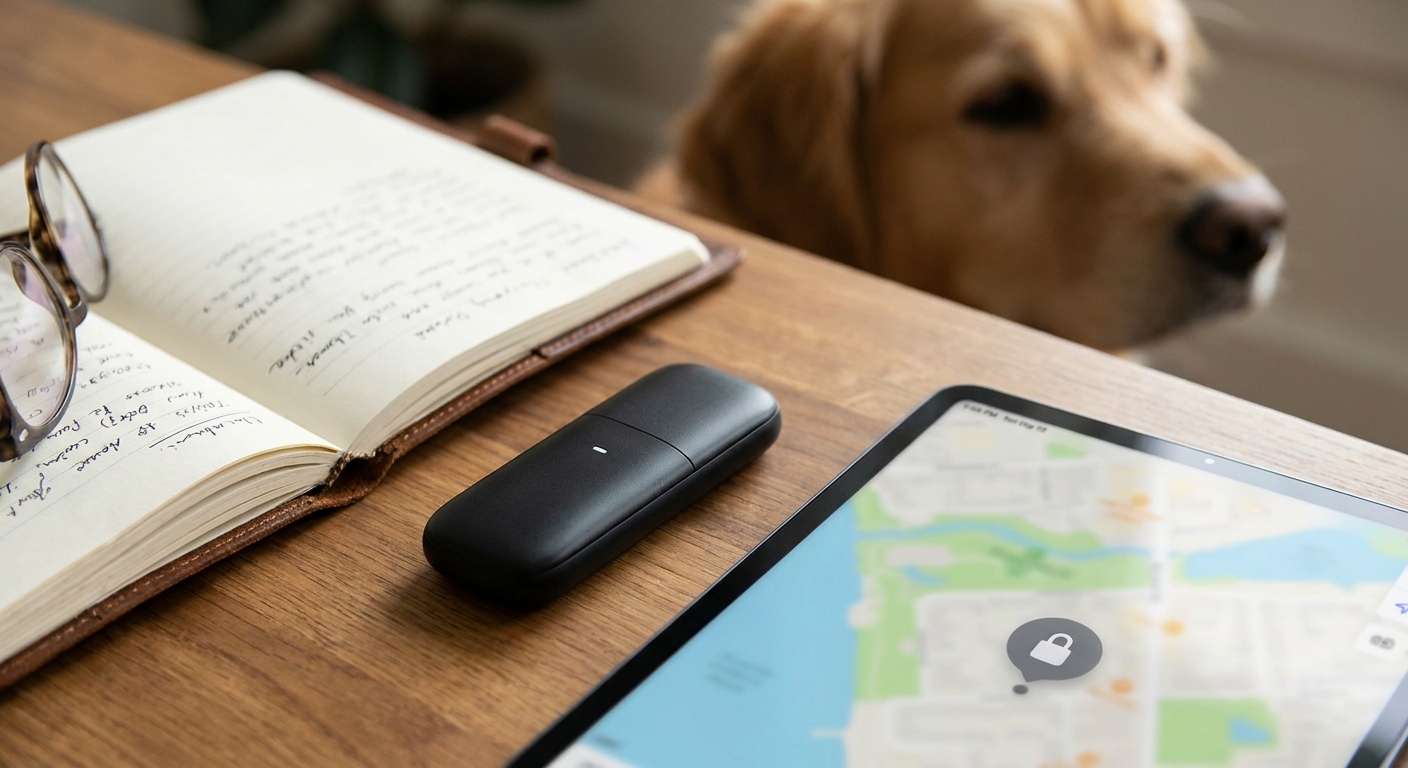
A small GPS tracker collar attached to a dog’s collar, with a smartphone nearby displaying a location-tracking map app, on a wooden table in a bright home setting
GPS pet tracker collar and smartphone app illustrating smart pet tracker privacy concerns
[“pet tracker privacy”, “GPS pet trackers”, “smart devices”, “data privacy”, “IoT security”]