Dishwasher amp requirements typically fall between 10 and 15 amps, with most homes needing a dedicated 15-amp, 120-volt circuit. Getting this number right matters because undersized wiring can trip breakers, damage your dishwasher, or create a fire hazard.
Whether you’re installing a new dishwasher or replacing an old one, understanding dishwasher amp requirements helps you avoid expensive surprises. This guide breaks down what you need to know about dishwasher amp requirements before you pick up a wrench or call an electrician.
What Are Typical Dishwasher Amp Requirements?
Most residential dishwashers draw between 10 and 13 amps during normal operation. However, the recommended circuit size based on standard dishwasher amp requirements is usually 15 amps, allowing a safety margin.
This extra buffer matters because dishwashers experience power spikes. The heating element, motor, and water pump don’t all draw equal current, and startup surges can briefly push usage higher than the running load.
Always check your dishwasher’s nameplate or owner’s manual for exact figures. Manufacturers list the minimum circuit requirements, and these dishwasher amp requirements can vary slightly between brands and models.
Dedicated Circuit vs. Shared Circuit
Building codes generally require a dedicated circuit for dishwashers to meet standard dishwasher amp requirements. This means the dishwasher should not share its circuit with other kitchen appliances, outlets, or lighting.
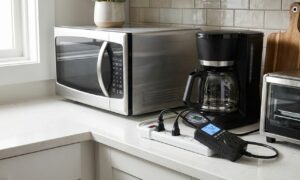
A dedicated circuit sized to your dishwasher’s amp requirements reduces the risk of overloading the wiring. It also prevents nuisance tripping when multiple appliances run at once, like a microwave and a dishwasher operating simultaneously.
- Dedicated 15-amp circuit: The most common setup for standard dishwashers and typical dishwasher amp requirements.
- Dedicated 20-amp circuit: Sometimes used for larger or commercial-grade units, or when local code requires extra capacity.
- GFCI protection: Many jurisdictions now require ground-fault circuit interrupter protection for dishwasher circuits, especially in newer construction.
If your dishwasher currently shares a circuit with a garbage disposal or other appliance, it’s worth having an electrician evaluate whether an upgrade is needed to meet proper dishwasher amp requirements.
Voltage and Wire Gauge Basics
Standard dishwashers run on 120-volt circuits, not the 240-volt circuits used for ovens or dryers. This distinction matters when sizing wiring to meet dishwasher amp requirements, since mixing up voltage can damage the appliance or create a safety hazard.
For a 15-amp circuit, electricians typically use 14-gauge wire. For a 20-amp circuit, 12-gauge wire is standard. Using wire that’s too thin for the amperage can cause overheating, so matching wire gauge to dishwasher amp requirements is essential.
Here’s a quick reference for common setups:
- 15-amp circuit: 14-gauge wire, 120 volts.
- 20-amp circuit: 12-gauge wire, 120 volts.
- Breaker rating: Should match the wire gauge, not exceed it.
If you’re unsure which setup your home already has, a licensed electrician can check your panel and existing wiring against your dishwasher’s amp requirements before you install a new unit.
Hardwired vs. Plug-In Installation
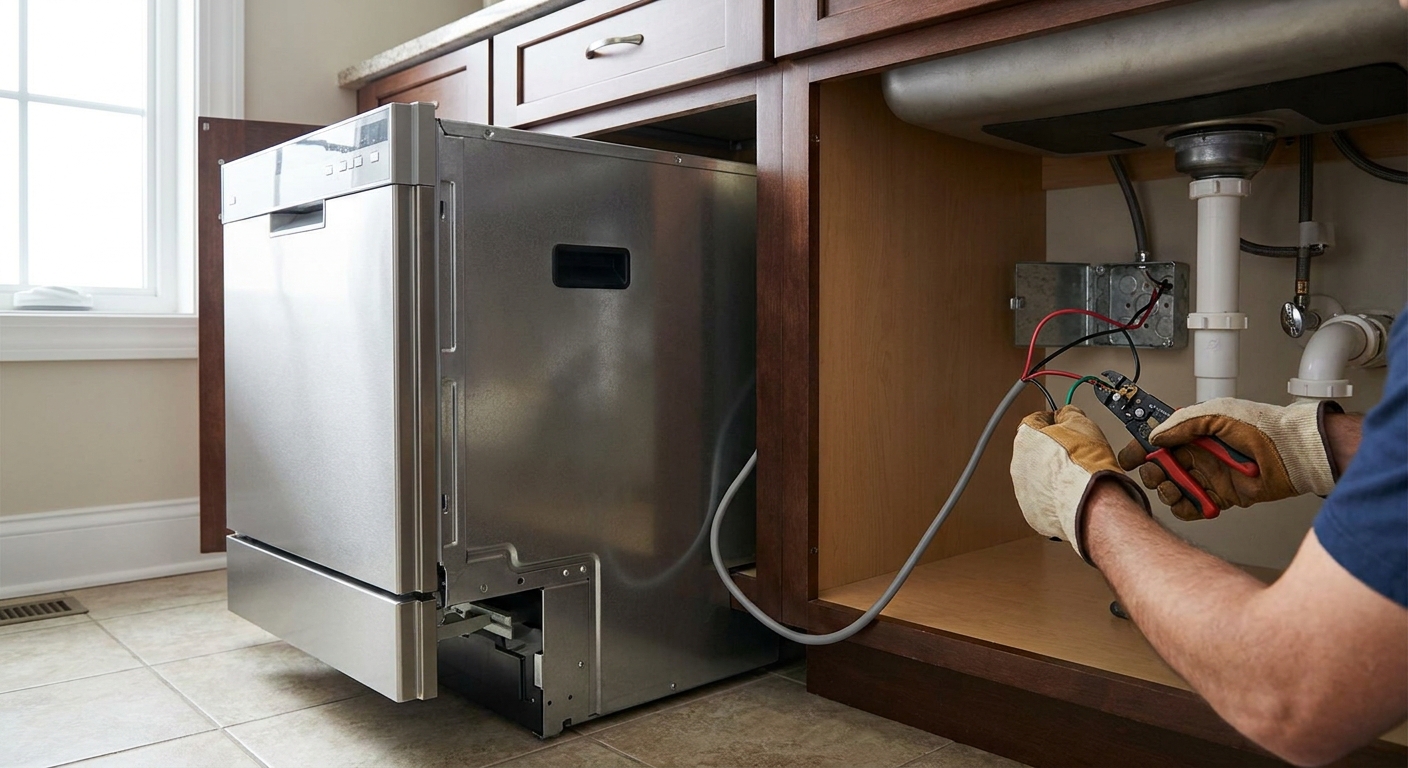
Dishwashers can be installed two ways: hardwired directly into the electrical box, or plugged into a dedicated outlet. Both methods are code-compliant, but local regulations may favor one over the other, so it’s worth confirming which approach fits your home’s dishwasher amp requirements.
Plug-in installations use a cord and a nearby grounded outlet, usually located under the sink or in an adjacent cabinet. This makes servicing easier since you can unplug the unit without shutting off the breaker.
Hardwired installations connect the dishwasher’s wiring directly to a junction box. This approach is common in newer builds and can be required by some local codes.
Before installation, confirm which method your dishwasher supports and whether your local code has a preference. Mixing up these setups mid-project can cause delays.
Signs Your Wiring May Be Inadequate
Older homes sometimes have wiring that wasn’t designed for modern dishwasher amp requirements. Watch for these warning signs:
- The breaker trips repeatedly when the dishwasher runs.
- You notice a burning smell near the outlet or panel.
- The dishwasher shares a circuit with multiple outlets or appliances.
- Your home’s wiring predates modern dishwasher amp requirements, common in houses built before the 1980s.
If any of these apply, pause the installation and consult a licensed electrician. Continuing to run a circuit that doesn’t meet your dishwasher’s amp requirements can shorten its lifespan and create safety risks. This is similar to issues covered in our guide on an appliance energy vampire, where hidden electrical problems quietly affect performance and safety.
Planning Your Dishwasher Installation
Before buying a new dishwasher, take a few minutes to plan the electrical side of the project. Confirming your dishwasher amp requirements upfront saves time and money later.
Start by checking your dishwasher’s amp and voltage specifications against your home’s existing circuit. If you’re renovating or building new, work with an electrician to size the circuit correctly from the start.
It’s also worth timing your purchase strategically. Checking our guide on the best time to buy appliances can help you save money while you’re already budgeting for installation costs.
If your dishwasher is replacing an older unit, also watch for related issues. Drainage problems are common after installation, so our article on an appliance not draining water can help troubleshoot that separately from wiring concerns.
Finally, consider whether an extended warranty makes sense for your new appliance. Our breakdown of whether extended warranty appliances are worth it walks through the data so you can decide with confidence.
Frequently Asked Questions
How many amps does a standard dishwasher need?
Most standard dishwasher amp requirements call for a dedicated 15-amp, 120-volt circuit, though actual running current is usually between 10 and 13 amps. Always confirm with your specific model’s nameplate.
Can a dishwasher share a circuit with other appliances?
No, most electrical codes require a dedicated circuit that meets the dishwasher’s amp requirements. Sharing a circuit with other appliances increases the risk of tripped breakers and electrical hazards.
Do I need an electrician to install a dishwasher circuit?
If you’re adding a new circuit, upgrading wire gauge, or hardwiring the unit, hiring a licensed electrician is strongly recommended. This ensures the work meets your dishwasher amp requirements and local code while keeping your home safe.
Understanding dishwasher amp requirements before installation helps you avoid tripped breakers, wiring damage, and unnecessary service calls. When in doubt, consult a licensed electrician to confirm your home’s circuit matches your new appliance’s amp requirements.