Smart car data privacy is one of the most overlooked security issues in 2026, even though your vehicle may collect more personal data than your phone. Modern cars log your location, driving habits, voice commands, and even biometric data through onboard sensors and connected apps. If you’ve never checked what your car knows about you, now is the time to think seriously about smart car data privacy.
Connected vehicles have quietly become data-collection machines. Automakers pitch these features as convenience and safety tools. But behind the scenes, telematics systems quietly stream information to manufacturers, insurers, and sometimes third-party advertisers, which is exactly why smart car data privacy deserves more attention from everyday drivers.
Why Smart Car Data Privacy Matters More in 2026
Cars sold today come packed with sensors, cameras, and always-on cellular connections. These systems help with navigation, emergency response, and remote diagnostics. However, they also create a detailed digital trail of your daily life, and that trail is really a smart car data privacy issue in disguise.
Insurance companies increasingly use driving data to set rates. Law enforcement can request location logs during investigations. Marketing firms buy anonymized behavioral data to build consumer profiles. Without clear regulation, your car’s data often travels further than you expect, which is why smart car data privacy has become a mainstream consumer concern rather than a niche worry.
What Your Vehicle Actually Tracks
Most drivers underestimate how much their car records. Here’s a breakdown of common data categories collected by connected vehicles, all of which factor into your overall smart car data privacy risk:
- Location history: GPS tracks every trip, including frequent destinations like your home, workplace, or doctor’s office.
- Driving behavior: Speed, braking patterns, acceleration, and mileage are logged for diagnostics and insurance telematics.
- Voice recordings: In-car voice assistants may capture and store audio snippets for processing commands.
- Biometric data: Some vehicles use facial recognition or fingerprint sensors for driver identification and fatigue monitoring.
- App and phone data: Paired smartphones can share contacts, call logs, and messages through infotainment systems.
- Usage patterns: Seat positions, climate preferences, and media choices build a behavioral profile tied to your account.
This data often syncs with a manufacturer’s cloud account, similar to how smart home devices operate. If you’ve read about smart home hub security and stopping one breach from spreading, the same logic applies to your car’s connected ecosystem and its own smart car data privacy gaps.
Hidden Telematics and App Permissions
Telematics control units (TCUs) are the hidden brains behind vehicle connectivity. They constantly transmit data to manufacturer servers, often without a clear on-screen indicator. Many drivers never realize this system is active, which makes it one of the biggest blind spots in smart car data privacy today.
Companion smartphone apps add another layer of exposure. These apps often request permissions far beyond what’s needed, including access to contacts, microphone, and precise location even when you’re not driving. This mirrors concerns raised in our guide on AI companion app privacy and what your chatbot knows, where over-permissioned apps quietly harvest personal details.
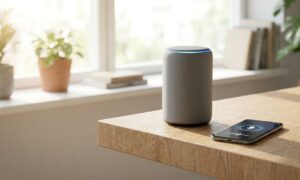
Voice assistants built into dashboards raise similar questions. If your car listens for wake words, it may also record snippets unintentionally. For a deeper look at how this works across devices, see our breakdown of voice assistant eavesdropping and how to lock it down.
Third-Party Data Sharing
Many automakers partner with data brokers, insurers, and advertising networks. Your driving data can be bundled, anonymized, and sold as part of broader analytics packages. Reading the fine print in your vehicle’s privacy policy often reveals these partnerships and gives you a clearer picture of your true smart car data privacy exposure.
Step-by-Step Guide: Auditing Your Car’s Data Collection
You can reduce your exposure without sacrificing all the convenience features. Follow these steps to audit and limit what your vehicle shares, and improve your smart car data privacy in the process.
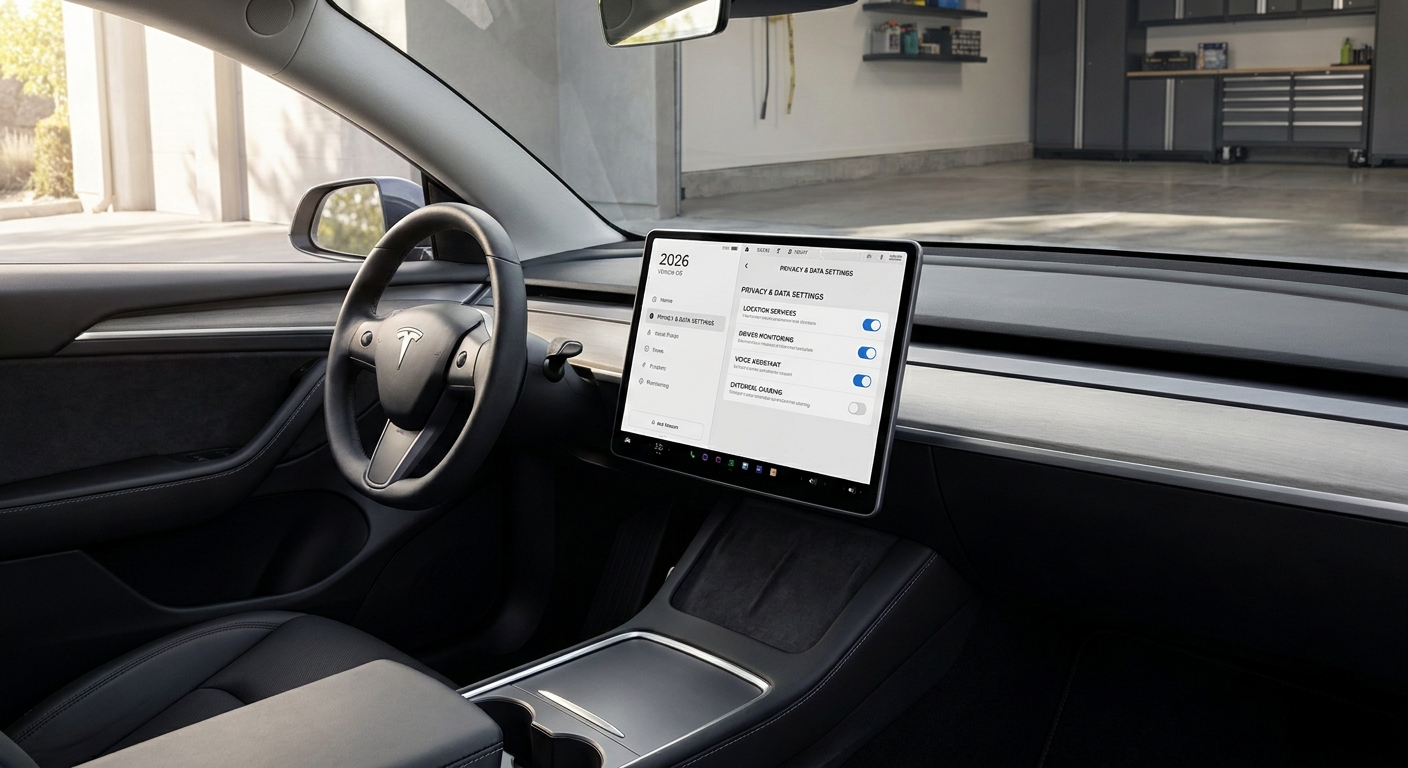
- Locate your privacy settings: Check the infotainment system menu for a “Privacy” or “Data Collection” section.
- Review the manufacturer’s privacy policy: Look specifically for sections on location data, third-party sharing, and retention periods.
- Disable unnecessary telematics features: Turn off usage-based insurance tracking if you’re not enrolled in a discount program.
- Limit app permissions: Open your car’s companion app settings and revoke access to contacts, microphone, or background location when not needed.
- Clear stored data periodically: Many systems let you wipe paired phone data, navigation history, and voice logs manually.
- Opt out of data sharing programs: Most manufacturers offer an opt-out form for marketing and analytics data under privacy regulations.
- Remove your data before selling the car: Factory reset the infotainment system and delete any linked accounts before transferring ownership.
This process resembles securing other connected devices in your home. If you’ve ever tackled a privacy audit on a streaming device, the method is similar to steps covered in our guide on stopping hidden smart TV data tracking.
Watch for Camera and Sensor Overreach
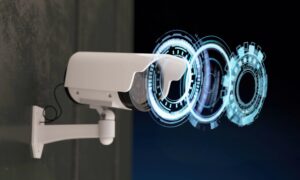
Newer vehicles include cabin cameras for driver monitoring and external cameras for parking assistance. These systems sometimes store footage longer than necessary, adding yet another layer to the smart car data privacy equation. If you’re concerned about footage retention policies, our article on smart doorbell data privacy and what footage companies keep explains similar retention practices used across connected devices.
Protecting Your Broader Digital Footprint
Car data rarely exists in isolation. It often connects to your smartphone, cloud accounts, and even smart home systems. A compromised phone can expose vehicle app credentials too, which is why smart car data privacy works best as part of a wider personal security routine.
If you suspect unauthorized tracking beyond your vehicle, review our guide to help detect spy apps on phone with a forensic removal process. Combining a car privacy audit with a phone security check gives you fuller protection.
Frequently Asked Questions
Can I fully disable my car’s data collection?
Not entirely. Core safety features like emergency crash notifications require some connectivity. However, you can disable optional tracking like marketing analytics and usage-based insurance programs to strengthen your smart car data privacy.
Does smart car data privacy apply to used or older vehicles?
Yes, if the vehicle includes a telematics unit or infotainment system with internet connectivity. Even vehicles from the early 2020s often retain previous owners’ paired data unless manually reset, which is an important smart car data privacy consideration when buying used.
Who can access my car’s location history?
Typically the manufacturer, your dealership’s service network, and law enforcement with proper legal requests. Some automakers also share anonymized data with insurance and advertising partners, another reason smart car data privacy settings are worth reviewing regularly.
Final Thoughts
Smart car data privacy isn’t optional anymore. Modern vehicles collect extensive data through telematics, cameras, and companion apps. By auditing your settings, limiting permissions, and understanding what gets shared, you can enjoy connected features without giving up control of your personal information or your smart car data privacy.