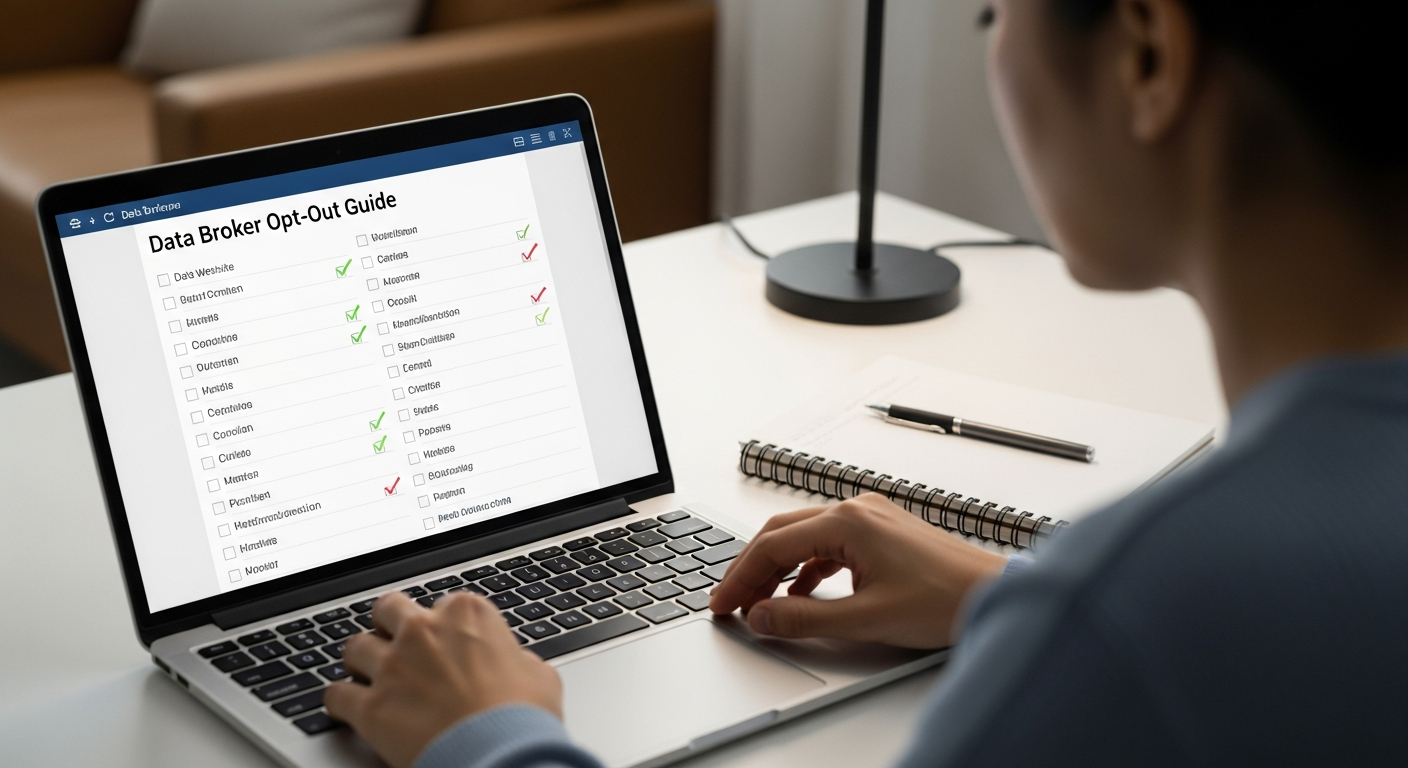
This data broker opt-out guide walks you through removing your personal details from the sites that sell them in 2026. Data brokers collect your address, phone number, and browsing habits, then sell that information to marketers, scammers, and even stalkers. Cleaning up your digital footprint takes effort, but it noticeably reduces spam, robocalls, and doxxing risk.
Below, you’ll find a practical walkthrough for both manual and automated removal methods, plus tips on staying off these lists long-term.
What Are Data Brokers and Why They Matter
Data brokers are companies that gather public records, purchase histories, and social media activity, then package it into profiles. They sell these profiles to advertisers, background-check services, and sometimes bad actors.
Your name, home address, relatives, and even income estimates can end up on these sites. That exposure fuels phishing, smishing, and identity theft attempts. If you’ve already read our guide on how to stop smishing scams, you know scammers often start with basic personal details bought from brokers.
Step-by-Step: Manual Data Broker Opt-Out Guide
Manual removal is free but time-consuming. Here’s how to tackle the biggest offenders first.
- Search yourself. Google your name plus your city to find which broker sites list your information.
- Visit each broker’s opt-out page. Sites like Spokeo, Whitepages, BeenVerified, and MyLife all have dedicated removal forms, usually buried in footer links labeled “privacy” or “do not sell my info.”
- Verify your identity. Some brokers require you to confirm ownership of the listing via email or a CAPTCHA.
- Submit the removal request. Follow each site’s specific instructions closely; missing a step often voids the request.
- Confirm removal. Wait 24-72 hours, then search again to check the listing is gone.
Repeat this process every few months, since brokers frequently re-scrape public records and rebuild profiles.
Using Automated Removal Services
Manually contacting dozens of brokers isn’t realistic for most people. Automated opt-out services submit removal requests on your behalf and monitor for reappearances.
These paid services typically scan hundreds of broker databases, send opt-out requests, and provide periodic reports. They save time, though they aren’t guaranteed to catch every obscure site. Combining automated tools with occasional manual checks gives the best coverage.
When choosing a service, look for:
- Transparent reporting on which brokers were contacted
- Recurring scans, not just a one-time sweep
- A clear privacy policy for how they handle your submitted data
- Reasonable pricing without long-term lock-in contracts
Reducing Future Data Exposure
Opting out is only half the battle. You also need to limit new data from reaching brokers in the first place.
Start by tightening privacy settings on social media and limiting what you share publicly. Use a separate email for online shopping and newsletters to keep your primary inbox cleaner. Consider a password manager and two-factor authentication to lower the odds of a breach exposing more of your details.
For a broader foundation, our guide on essential digital safety practices for everyone covers habits that reduce your overall exposure, not just broker listings. Pairing that with identity-first security principles helps you think about protection at the account level too, not just the data-broker level.
Physical Security Still Matters
Digital privacy and physical security often overlap. If your address leaks through a data broker, it becomes more useful to someone attempting to target your home.
Reviewing entry-point security, like checking our smart lock security risks guide, helps close that gap. Likewise, protecting your devices from physical tampering, as explained in our USB data blocker guide, adds another layer of defense against data theft in public spaces like airports or cafés.
Building a Long-Term Opt-Out Routine
Data broker removal isn’t a one-time task. New brokers appear, and old ones rebuild profiles from fresh public records.
Set a recurring reminder every three to six months to re-check major broker sites. Keep a simple spreadsheet listing which brokers you’ve contacted and when. This makes follow-up requests faster and helps you track patterns of reappearing data.
Reviewing our essential cybersecurity protection strategies alongside this routine keeps your overall security posture consistent, not just your broker opt-outs.
Frequently Asked Questions
How long does a data broker opt-out guide process take to complete?
Manually removing yourself from major brokers usually takes several hours spread across a few days. Automated services can start the process within 24-48 hours, though full results may take a few weeks as requests process.
Is it legal for data brokers to sell my personal information?
In most regions, yes, though laws vary. Some states and countries require brokers to offer opt-out options, and following a proper data broker opt-out guide helps you exercise those legal rights.
Will opting out stop all spam calls and scam texts immediately?
Opting out reduces exposure, but it won’t eliminate spam overnight, since scammers use other sources too. Pairing broker removal with anti-smishing habits offers stronger, more lasting protection.
Removing your information from data brokers takes patience, but the payoff is real: fewer robocalls, less targeted spam, and a smaller attack surface for scammers. Start with the biggest broker sites, consider an automated service for ongoing coverage, and revisit your opt-out list regularly. Combined with strong digital habits, this data broker opt-out guide gives you a repeatable way to protect your privacy well into 2026 and beyond.