In the microwave vs toaster oven debate, the right choice depends on how you cook, how much counter space you have, and what results matter most to you. Microwaves win on speed and convenience, while toaster ovens excel at crisping, browning, and roasting. Below, we break down the everyday tradeoffs in the microwave vs toaster oven comparison so you can decide with confidence.
Microwave vs Toaster Oven: The Quick Answer
If you mostly reheat leftovers, defrost frozen food, or need fast meals, a microwave is usually the better pick. If you care about texture, want to bake or broil small dishes, or prefer crispy reheated food, a toaster oven often delivers better results. That’s the core of the microwave vs toaster oven decision in a nutshell.
Many households actually benefit from owning both a microwave and a toaster oven. But if you can only fit one on your counter, understanding their core strengths will help you avoid buyer’s remorse when weighing microwave vs toaster oven options.
Cooking Performance: Speed vs Texture
Microwaves use electromagnetic waves to heat water molecules inside food. This makes them incredibly fast for reheating soups, steaming vegetables, or warming a plate of dinner. However, this method can leave bread soggy, pizza rubbery, and fried foods limp.
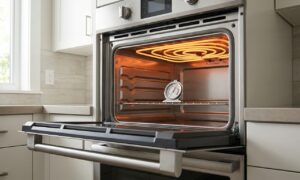
Toaster ovens use radiant heat, similar to a full-size oven, so they brown and crisp food naturally. They handle toast, roasted vegetables, small casseroles, and reheated fries far better than a microwave, which is a key point in any microwave vs toaster oven performance test.
- Microwave strengths: reheating liquids, defrosting meat, steaming veggies, quick popcorn
- Toaster oven strengths: toasting bread, baking small batches, broiling, crisping leftovers
- Shared weakness: neither replaces a full-size oven for large meals or big batches
If you frequently cook items that benefit from browning, a toaster oven will feel like a real upgrade over microwave-only reheating.
Energy Use and Cooking Time
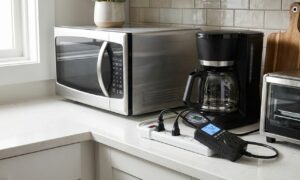
Microwaves typically cook faster, which can translate to lower energy use per task, especially for small portions. A minute or two of high-wattage cooking often uses less total energy than 10-15 minutes of oven preheating and baking. This is another factor tipping the microwave vs toaster oven scale toward microwaves for quick jobs.
Toaster ovens draw steady power over a longer cook time. For small meals, they’re still more efficient than heating a full-size oven, but they generally use more energy than a microwave for the same reheating job.
If your household already owns a full-size range, it’s worth comparing how a toaster oven fits into your overall setup. Our guide on range vs wall oven options covers how larger cooking appliances affect kitchen efficiency and layout, which can help you decide whether a toaster oven duplicates or complements what you already have.
Counter Space and Kitchen Layout
Space is often the deciding factor in the microwave vs toaster oven decision. Microwaves come in compact, over-the-range, or built-in styles, so they can be mounted to free up counter space entirely. Toaster ovens almost always sit on the counter and tend to have a larger footprint.
Before buying either appliance, measure your available counter space and consider your kitchen’s overall workflow. A cluttered counter can slow down meal prep and even affect how efficiently other appliances run.
If you’re renovating or reorganizing your kitchen entirely, it helps to think about all your appliances together. For example, choosing the right laundry setup nearby, like reviewing the best washer size for family laundry needs, follows the same space-planning logic: match the appliance size to your actual usage patterns, not just what looks impressive.
Which One Fits Small Kitchens Better?
In small kitchens or apartments, a compact microwave usually wins the microwave vs toaster oven space race because it can be mounted above the range or tucked into a cabinet nook. Toaster ovens need open counter access and ventilation clearance, which can be harder to spare in tight layouts.
Cleaning, Maintenance, and Longevity
Microwaves are generally easier to clean since food splatters stay contained inside a sealed cavity. A damp cloth and occasional steam-cleaning trick handle most messes.
Toaster ovens have exposed heating elements and crumb trays that need regular cleaning to prevent smoke or burning smells. Neglecting this maintenance can shorten the appliance’s lifespan and affect cooking performance, another practical angle in the microwave vs toaster oven maintenance conversation.
Appliance upkeep matters across your whole kitchen, not just countertop devices. If you’ve ever dealt with cloudy or spotted dishes, our article on why a dishwasher leaves spots on glasses shows how small maintenance habits prevent bigger frustrations later. The same logic applies to toaster ovens: clean crumb trays regularly to avoid smoke and uneven cooking.
Similarly, if you’ve noticed unusual smells from other appliances, it’s worth investigating early. Our guide on common causes of burnt dryer smells is a useful reminder that odd odors from any appliance, including a toaster oven, usually signal a fixable maintenance issue rather than a reason to panic.
Price and Value Over Time
Entry-level microwaves are often cheaper upfront than toaster ovens with similar build quality. However, toaster ovens can replace some full-size oven tasks, potentially saving energy and time for small households.
When comparing value in the microwave vs toaster oven decision, think about how often you’ll use each appliance and for what purpose. A microwave you use daily for reheating offers strong value even at a modest price. A toaster oven that replaces frequent full-oven use for small meals can also pay for itself through energy savings and convenience.
Just like evaluating how long dishwashers typically last before replacement helps you budget smartly, thinking about a countertop appliance’s expected lifespan helps you avoid frequent replacements and wasted spending.
Final Verdict: Microwave vs Toaster Oven
There’s no universal winner in the microwave vs toaster oven comparison. Choose a microwave if speed, simplicity, and space-saving mounting matter most. Choose a toaster oven if you value better texture, browning, and small-batch baking.
For many households, the ideal setup includes both a microwave and a toaster oven working together, each handling the tasks it does best. Assess your daily cooking habits, available counter space, and budget, then choose the appliance that aligns with how you actually cook.
Frequently Asked Questions
Is a toaster oven healthier than a microwave?
Neither appliance is inherently healthier. Nutrient retention depends more on cooking time and temperature than the appliance type. Toaster ovens may produce crispier textures, but microwaves often preserve moisture and nutrients better for vegetables due to shorter cook times.
Can a toaster oven replace a microwave completely?
For many tasks, yes, but not all. Toaster ovens struggle with quick reheating of liquids like soup or coffee, where microwaves excel. If speed and liquid reheating are priorities, keeping a microwave alongside a toaster oven is usually more practical.
Which uses less electricity, a microwave or toaster oven?
Microwaves generally use less total energy for small, quick tasks because they cook faster. Toaster ovens can still be efficient for small meals compared to a full-size oven, but they typically use more energy than a microwave for the same reheating job. In the microwave vs toaster oven energy comparison, the microwave usually comes out ahead for short tasks.